


GFRC Planters: Best Large Outdoor GFRC Planters for Commercial Buildings (2026 Guide)
Commercial landscapes in the United States are evolving fast. In 2026, developers, architects and property managers are prioritizing durability, clean modern aesthetics, low-maintenance materials and long-term cost efficiency. One product category checks all these boxes: GFRC planters.
GFRC — Glass Fiber Reinforced Concrete — delivers the premium look of cast stone without the weight, cracking or installation challenges. Today, large outdoor GFRC planters have become the go-to choice for office buildings, hotels, retail centers, universities, multifamily complexes and public spaces.
If you’re planning a commercial landscape upgrade, this guide breaks down why GFRC planters for commercial properties are leading the market, how to choose the right style and size, and which GFRC concrete planters perform best outdoors in U.S. climates.
What Are GFRC Planters?
GFRC planters are made from a structural mix of:
-
Fine concrete
-
Glass fibers for reinforcement
-
Polymer and sand blends
-
High-performance additives
This formula gives GFRC concrete planters exceptional strength while keeping them significantly lighter than traditional concrete or stone.
Key benefits:
-
50–75% lighter than cast concrete (easier installation, lower shipping costs)
-
High impact resistance
-
Superior freeze–thaw durability (critical for U.S. colder climates)
-
Long lifespan outdoors
-
Modern architectural aesthetic
-
Stable in high-traffic commercial environments
Because of these performance advantages, GFRC planters are widely used in commercial plazas, rooftop decks, university campuses, luxury hotels, shopping centers, corporate headquarters and civic buildings.
Why GFRC Planters Are Ideal for Commercial Buildings in 2026
If you manage or design commercial landscapes, you need materials that are:
-
Durable
-
Weather-proof
-
Easy to maintain
-
Scalable in multiple sizes
-
Attractive and brand-aligned
GFRC meets all of these needs — and that’s why it is replacing traditional concrete and fiberglass in modern U.S. design.
1. Built for Outdoor Commercial Environments
Outdoor GFRC planters resist cracking, chipping and UV damage. They perform well in:
-
Hot southern states (Texas, Florida, Arizona)
-
Coastal regions with salt exposure
-
Cold freeze–thaw states (Colorado, Michigan, New York)
Traditional concrete often spalls or cracks; GFRC doesn’t.
2. Lighter Weight = Lower Installation Costs
Large planters used in commercial settings can weigh hundreds of pounds — causing:
-
High freight costs
-
Crane or forklift installation
-
Limited rooftop use
GFRC reduces weight dramatically, making rooftop decks and terraces possible without structural reinforcement.
3. High-End Contemporary Appearance
Architects love GFRC because it offers:
-
Smooth stone-like finishes
-
Sharp lines and consistent texture
-
Versatile modern colors
-
Custom shapes for branded environments
It elevates the professional look of any commercial property.
4. Long-Term Return on Investment
Due to its durability, GFRC planters for commercial buildings outlast fiberglass and resin alternatives:
-
No fading
-
No warping
-
No structural failure
-
No frequent replacements
Property managers get lower lifetime costs and fewer maintenance calls.
Best Large Outdoor GFRC Planters for Commercial Spaces
Below are the top planter categories used in professional architecture and commercial landscaping in the U.S. for 2026.
1. Large Rectangular GFRC Trough Planters
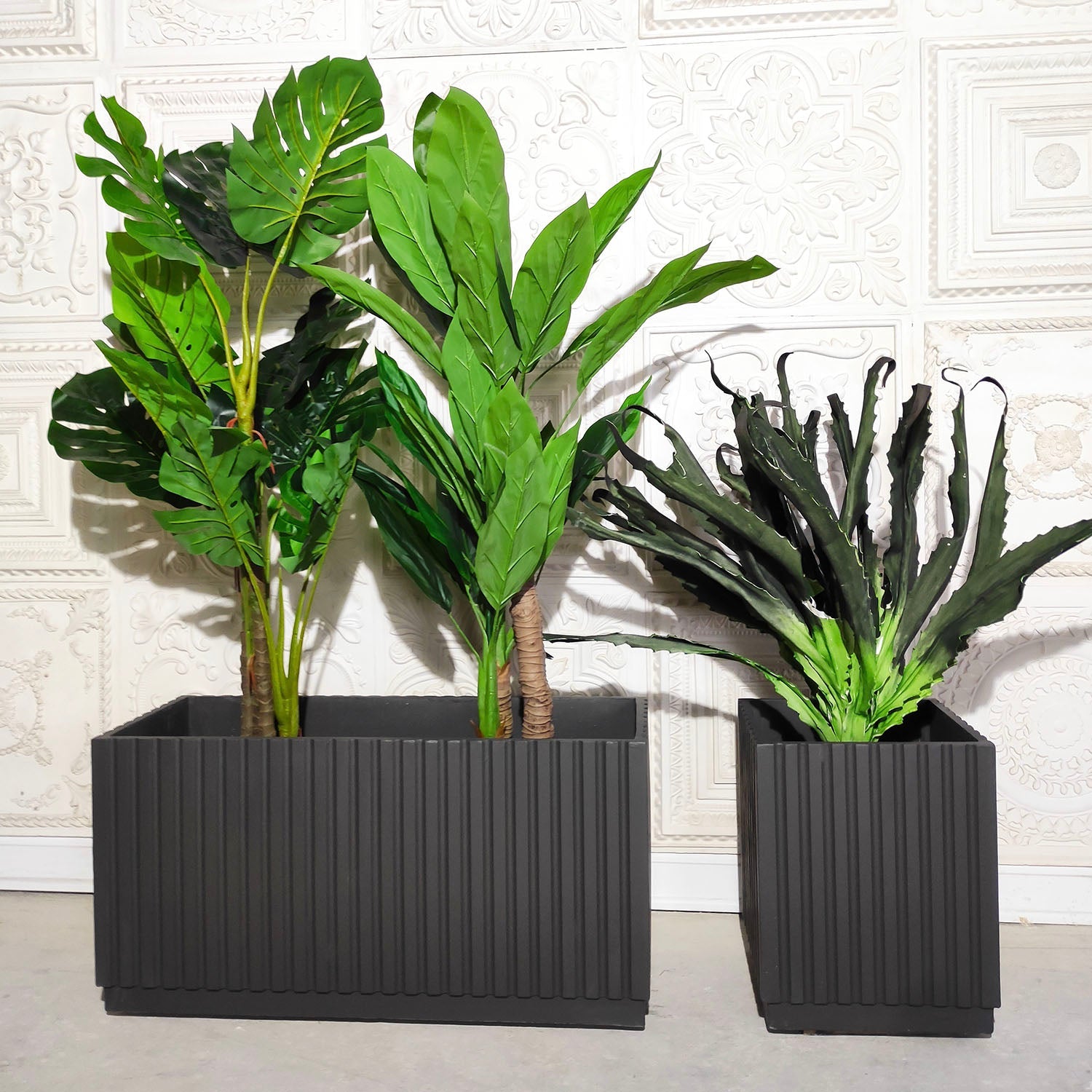
GORDION – Modern Commercial GFRC Planter
Designed for contemporary commercial landscapes, the GORDION Modern Planter delivers durability, architectural elegance, and lightweight performance for demanding outdoor environments.
- Commercial-grade GFRC construction for long-term outdoor durability
- Lightweight design ideal for rooftop terraces and plaza installations
- Reinforced walls to support shrubs, grasses, and small trees
- Integrated drainage system for proper outdoor water management
- Clean, modern architectural finish suited to contemporary designs
- Perfect for office buildings, retail centers, and restaurants
Perfect for:
-
Office plazas
-
Restaurants and outdoor dining
-
Universities
-
Retail centers
-
Rooftop decks
Rectangular large outdoor GFRC planters are ideal for creating:
-
Privacy screens
-
Border planting
-
Traffic flow pathways
-
Outdoor seating dividers
They hold shrubs, grasses and small trees, giving commercial spaces structure and greenery without permanent construction.
2. Tall GFRC Tower Planters for Entrances
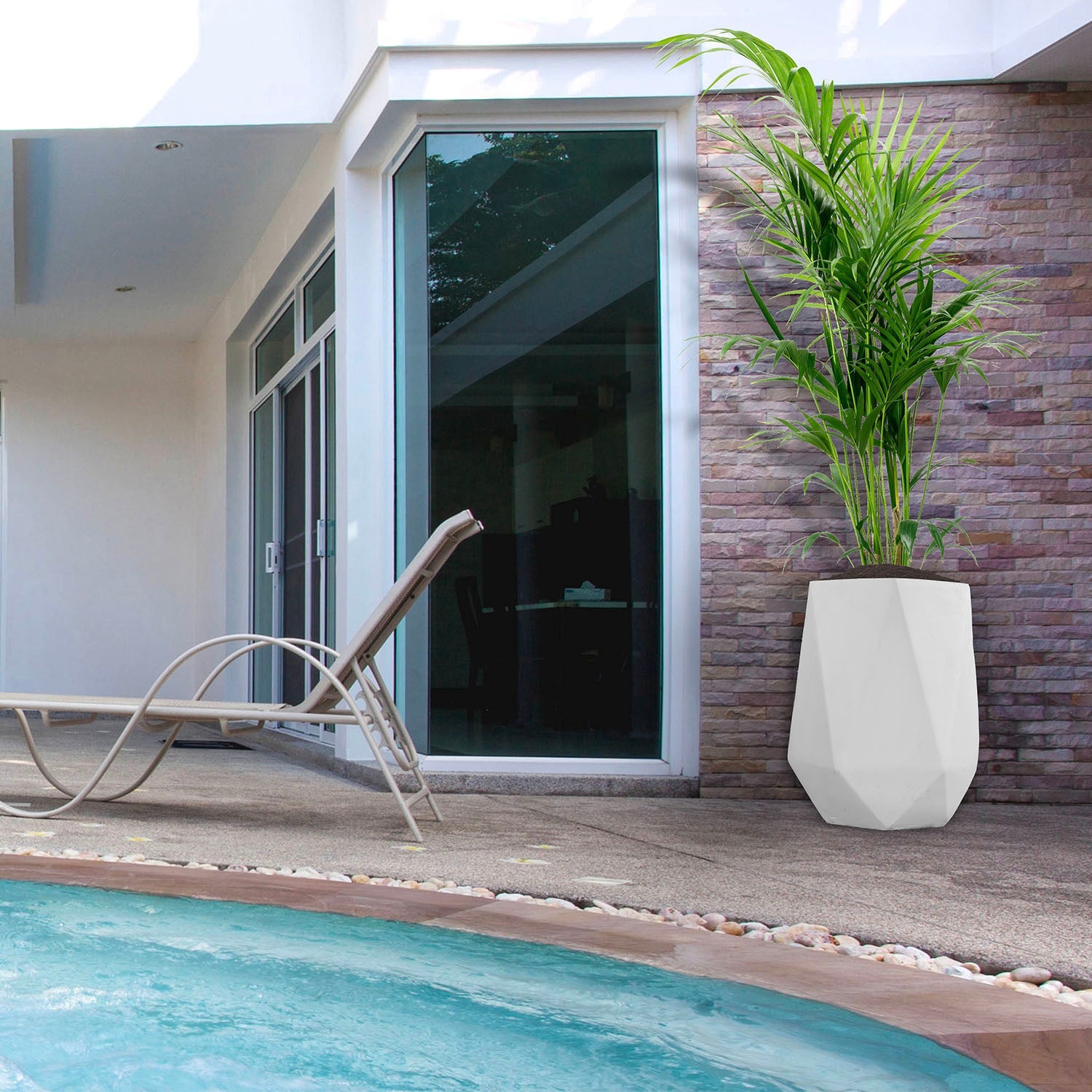
CUBIC – Modern Minimalist GFRC Geometric Planter
Make a design statement with the striking contemporary style of the CUBIC GFRC Planter. This minimalist pot features ultra-clean lines and perfect geometric symmetry for a sleek, modern architectural look. Place it solo as a focal point or group several together to bring sophisticated elegance to any space.
- Sleek handmade construction with artisan craftsmanship
- Durable and weather-resistant GFRC material built to last indoors or outdoors
- Included drainage hole prevents root rot and ensures proper water management
- Lightweight yet strong — easy to move and install without sacrificing durability
- Eco-friendly manufacturing with a premium modern concrete aesthetic
- Ideal for luxury hotels, restaurants, office buildings, modern homes, and commercial landscapes
If your building needs an upgraded, modern entrance, tall tower-style planters are the best choice.
Benefits:
-
Strong vertical impact
-
Works beautifully with architectural lighting
-
Enhances wayfinding and branding
-
Suitable for trees and upright plant forms
For hotels and corporate offices, tower planters instantly add luxury appeal.
3. Extra-Large GFRC Tree Planters
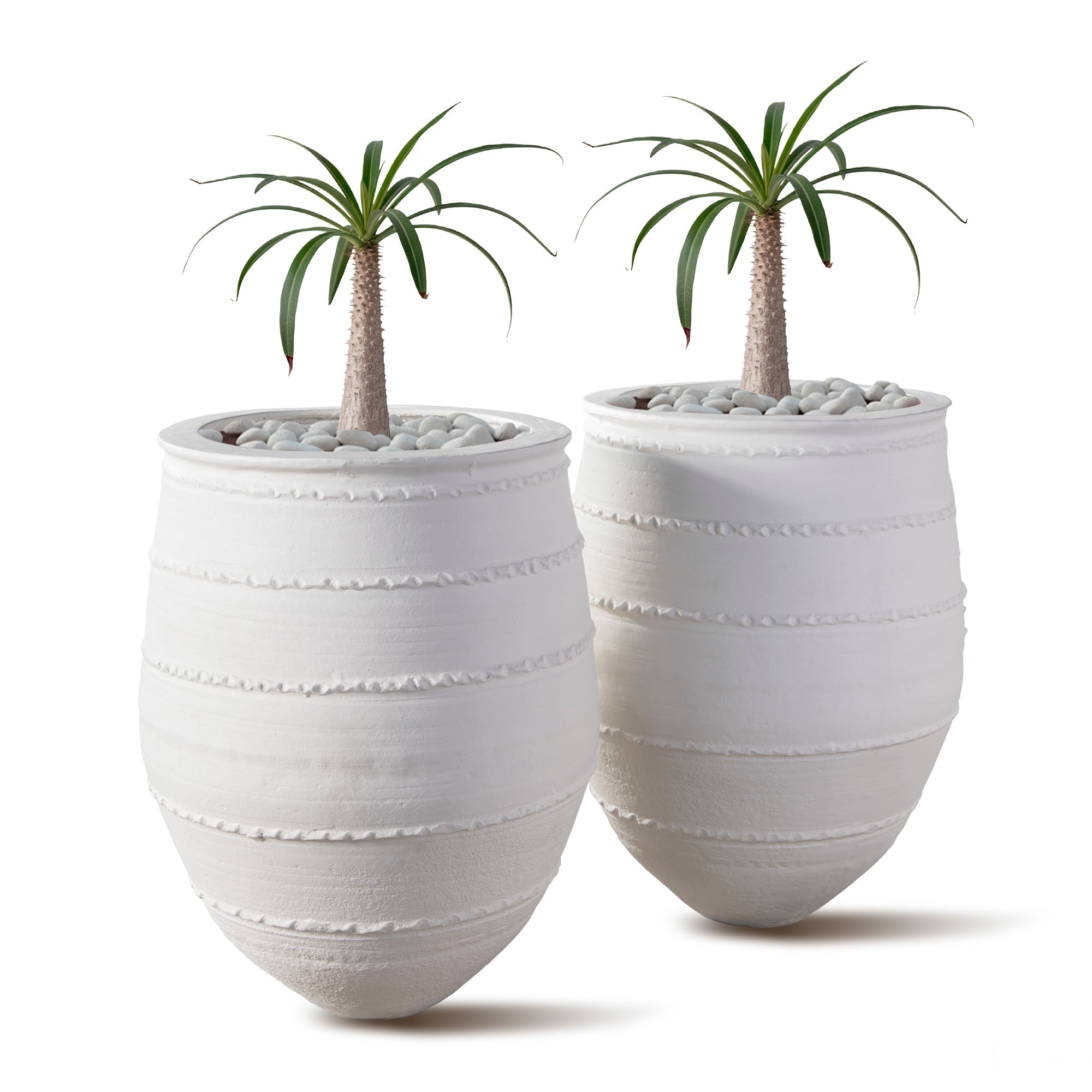
ADALYA – Coastal Turkish-Inspired Wave Design GFRC Planter
Embrace the serene beauty of the coast with the Adalya Planter, a premium GFRC piece inspired by the tranquil charm of Adalya, Turkey. Featuring smooth, elegant curves that echo gentle ocean waves and polished stones, this handcrafted planter brings timeless sophistication and natural elegance to any space—perfect for creating a calming, luxurious atmosphere indoors or outdoors.
- Handcrafted from durable, weather-resistant GFRC — ideal for year-round indoor or outdoor use
- Lightweight yet exceptionally strong — easy to move and install without heavy equipment
- Integrated drainage hole with plug prevents water buildup and protects roots
- Unique wave-inspired design with artisan-finished details for a one-of-a-kind coastal aesthetic
- Eco-friendly manufacturing and low-maintenance — resists cracking, UV, freeze-thaw, and weathering
- Perfect for luxury homes, hotels, restaurants, patios, gardens, and commercial landscapes
Commercial courtyards and plazas often need deep, wide planters that can support small canopy trees. GFRC concrete tree planters offer:
-
Structural stability
-
Excellent root volume
-
A long-lasting material that withstands weather fluctuations
Common plantings include olive trees, Japanese maples, desert trees, palms and hardy evergreens depending on the U.S. climate.
4. Round GFRC Bowl Planters for Hospitality Spaces
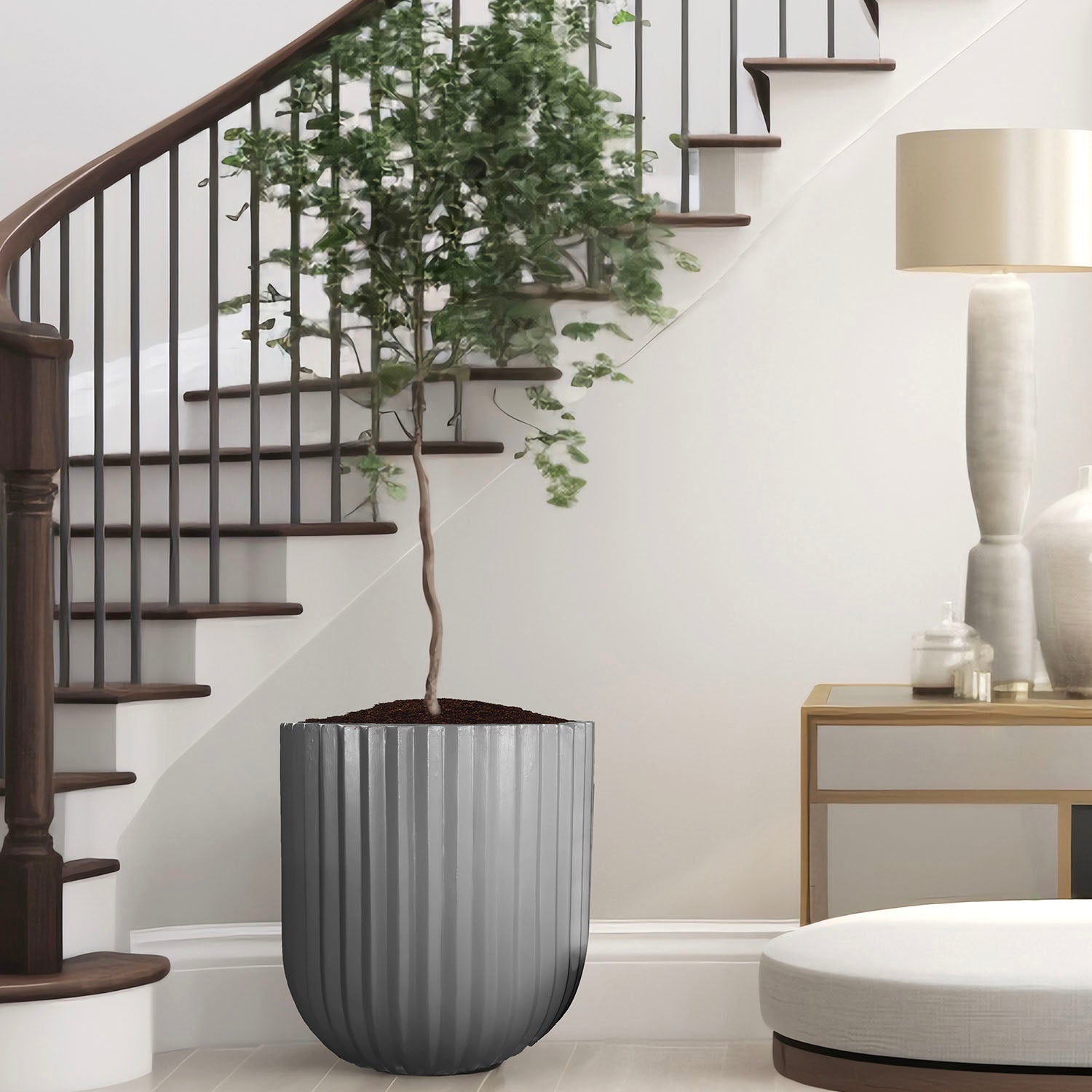
MEDUSA – Mythical Greek-Inspired GFRC Planter
Mesmerize your space with the hypnotic charm of the Medusa Planter. This handcrafted masterpiece draws from Greek mythology, featuring intricate serpentine motifs and elegant details that capture the legendary Gorgon's timeless allure. Blending artistry with modern durability, it adds a striking, one-of-a-kind focal point to gardens, patios, or luxury interiors.
- Handcrafted GFRC construction — lightweight yet exceptionally strong for easy handling
- Weather-resistant & durable — withstands freeze-thaw, UV, heat, and moisture year-round
- Integrated drainage hole ensures proper plant health and prevents water buildup
- Intricate serpentine design with artisan-finished details for a mythical, premium aesthetic
- Eco-friendly & low-maintenance — resists cracking, corrosion, and pests with minimal upkeep
- Ideal for luxury homes, hotels, restaurants, patios, gardens, and modern commercial spaces
Round bowls add softness to the strong lines found in hotel and resort architecture.
Uses:
-
Poolside design
-
Lobby entrances
-
Outdoor lounges
-
Resorts and high-end retail
They work perfectly with succulents, cacti and architectural plants like agave or birds of paradise.
5. Custom GFRC Planter Shapes for Branding or Large Projects
Many commercial projects in 2026 require custom planter dimensions to fit:
-
Long walkways
-
Stair landings
-
Large terrace spaces
-
Public parks
-
Shopping mall courtyards
GFRC is ideal for custom fabrication because it molds cleanly into oversized forms without the cracking risk of traditional concrete.
How to Choose the Right Outdoor GFRC Planters for Commercial Buildings
When specifying planters for a commercial property, consider:
1. Climate
Cold states need planters with thick walls and frost resistance. GFRC excels here.
2. Weight Restrictions
Rooftop spaces require lightweight materials. GFRC is significantly lighter than concrete.
3. Plant Type
Trees require deeper soil depth and wide bases. Decorative shrubs need medium-depth bowls or troughs.
4. Foot Traffic
Choose heavy, stable GFRC planters for busy areas to avoid tipping risks.
5. Aesthetic Consistency
Use a consistent color and shape family across the property for a polished architectural look.
GFRC vs. Other Planter Materials: Why GFRC Wins
| Material | Pros | Cons |
|---|---|---|
| GFRC | Durable, lightweight, modern, long lifespan, weatherproof | Higher quality = higher upfront cost |
| Fiberglass | Lightweight & affordable | Fades and cracks in UV, looks less premium |
| Resin / Plastic | Very affordable | Looks low-end, warps in heat |
| Cast Concrete | Strong, classic appearance | Extremely heavy, prone to cracking |
| Metal Planters | Sleek, modern design | Can rust, conducts heat, may damage roots |
For commercial properties, GFRC offers the best balance of performance, design, and long-term value.
Where to Use GFRC Planters in Commercial Settings
-
Corporate headquarters
-
Hotels and resorts
-
Retail centers
-
Universities and school campuses
-
Airports
-
Municipal buildings
-
Luxury apartment buildings
-
Rooftop bars and terraces
-
Hospitals and medical campuses
Because of the versatility of outdoor planters, they integrate naturally into nearly any commercial landscape plan.
Why River Art Stone GFRC Planters Stand Out
River Art Stone specializes in architect-grade GFRC planters crafted for commercial use. Our planters are:
-
Engineered for U.S. climates
-
Designed for long-term outdoor exposure
-
Made with high-strength GFRC technology
-
Available in large formats for trees and architectural landscaping
-
Lightweight enough for rooftop installations
-
Offered in modern finishes that complement commercial architecture
Whether you’re designing a rooftop terrace in New York or a hotel courtyard in California, River Art Stone delivers durable, beautiful GFRC planters with unmatched craftsmanship.
Upgrade Your Commercial Property With Large Outdoor GFRC Planters
If you’re planning landscape improvements for 2026, GFRC planters should be at the top of your materials list. They are durable, visually striking, and built to perform in demanding U.S. commercial environments.
Explore River Art Stone’s collection of:
-
Large outdoor GFRC planters
-
GFRC planters for commercial use
-
Custom GFRC planter designs
A few well-chosen pieces can elevate a building’s exterior, improve tenant experiences, and enhance long-term property value.
Related post

21
May

25
Mar
River Art Stone News & Blogs
How to Choose the Right Concrete Freestanding Bathtub (Dimensions, Shapes & Design Guide)
Read more
25
Mar
River Art Stone News & Blogs
The Material That's Changing How Architects Design Luxury Bathrooms
Read more
23
Jan
River Art Stone News & Blogs
Commercial Planters for US Offices: Boost Performance, Wellbeing, and Brand with Biophilic Design
Read more
17
Jan


