


Indoor Plant Care: A Complete Beginner’s Guide (2026 Edition)
Indoor plants continue to be one of the biggest home and office design trends in the U.S. — but they’re more than decoration. Plants improve air quality, boost focus, reduce stress, and make any space feel more alive. Yet for beginners, keeping plants healthy can feel intimidating.
The truth? Anyone can grow thriving houseplants with the right approach. This guide breaks down indoor plant care for beginners, including the best easy care indoor plants, watering tips, lighting basics, soil choices, troubleshooting advice and a simple weekly routine you can follow.
Whether you’re decorating an apartment, styling a modern office lobby, or adding greenery to your living room, this is your one-stop resource for indoor plant care tips that actually work.
1. Start With the Right Plants: Best Easy Care Indoor Plants for Beginners
Not all houseplants are created equal — especially if you’re just starting out. Choosing plants known for tolerance and adaptability makes the entire journey smoother.
Top Easy Care Indoor Plants (USA-friendly)
-
Snake Plant (Sansevieria)
Thrives in low light, tolerates missed waterings, and improves air quality. -
Pothos (Golden, Marble, Neon)
One of the most forgiving indoor plants; grows in bright or low light. -
ZZ Plant (Zamioculcas)
Ideal for offices and darker rooms; requires minimal water. -
Spider Plant
Great for hanging baskets and pet-friendly homes. -
Peace Lily
Perfect for medium-to-low light; tells you when it needs water by drooping. -
Chinese Evergreen (Aglaonema)
A favorite in U.S. commercial spaces due to resilience and vibrant foliage. -
Philodendron varieties
Fast-growing and adaptable, ideal for tabletops or tall planters.
If you’re totally new to houseplants, start with two or three from this list before moving to fussier species like fiddle leaf figs or calatheas.
2. Understand Light (Most Beginners Get This Wrong)
Lighting is the number one factor that determines plant success — and the number one area beginners misunderstand.
How to tell what light you have
-
Bright indirect light: Room has lots of natural light but no harsh sun beams.
Best for: Pothos, philodendron, peace lily, monstera. -
Low light: Rooms where you can read without turning on the lights, but no direct sun.
Best for: Snake plant, ZZ plant, Chinese evergreen. -
Direct light: Southwest or west-facing windows, producing sun patches.
Best for: Succulents, jade, aloe, cacti, rosemary.
Quick tip:
If a plant’s growth is slow or leaves are pale, it’s probably not getting enough light.
3. Watering: The Beginner’s Guide to Not Killing Plants
Overwatering is the main reason U.S. houseplants die — not underwatering.
Indoor Plant Watering Tips
-
Always check soil first. Insert your finger 1–2 inches deep. If it’s dry, water.
-
Use pots with drainage holes. Water must be able to escape.
-
Empty saucers after watering. Standing water causes root rot.
-
Water less in winter. Plants grow slowly and need less moisture.
General rules:
-
Snake plant / ZZ plant: Every 2–4 weeks
-
Pothos / philodendron: Every 1–2 weeks
-
Peace lily: Weekly or when leaves droop
When in doubt → err on the dry side.
4. Soil Matters More Than You Think
Soil isn’t “dirt” — it’s a living medium that controls airflow, drainage and nutrients.
Best indoor plant soil mix
Look for:
-
Lightweight potting mix
-
Added perlite or pumice for drainage
-
Optional coconut coir or peat moss to retain moisture
Never use outdoor garden soil indoors — it compacts, suffocates roots and introduces pests.
5. Repotting 101: When and How to Repot Indoor Plants
Repotting doesn’t always mean going into a bigger pot. Sometimes it simply means giving the plant fresh soil.
Signs your plant needs repotting
-
Roots circling the bottom of the pot
-
Water runs straight through
-
Soil smells sour or stays soggy
-
Plant growth has stalled
How to repot
-
Choose a new pot 1–2 inches larger than the current one.
-
Use fresh indoor potting mix.
-
Gently loosen roots, then place the plant in the center.
-
Water lightly and let it settle for a few days.
Indoor plants thrive best in premium planters with proper drainage. Larger floor planters are ideal for statement plants like monstera or indoor palms.
6. Fertilizing: The Secret to Lush Growth
Most houseplants don’t need heavy fertilizer, but modest feeding improves color, growth and root development.
Beginner-friendly fertilizing schedule
-
Use a balanced liquid fertilizer (10-10-10 or 20-20-20).
-
Apply monthly during spring and summer.
-
Skip winter fertilizing — plants rest during cold seasons.
Over-fertilizing burns roots, so start with diluted doses.
7. Humidity, Temperature & Airflow
Indoor plants love stable environments. Most U.S. homes maintain ideal conditions naturally.
Ideal conditions for indoor plants
-
Temperature: 65–80°F
-
Humidity: 40–60% (many homes already sit here)
-
Avoid: drafty windows, heat vents, radiators, AC blasts
For humidity-loving plants (ferns, calatheas), group them together or place on a pebble tray with water.
8. Common Indoor Plant Problems & How to Fix Them
Even easy care indoor plants need occasional troubleshooting.
Yellow leaves
Likely overwatering or poor drainage.
Brown tips
Low humidity or fertilizer buildup.
Wilting
Underwatering OR root rot — check soil to confirm.
Gnats
Soil staying too wet. Let the top inch dry out and use sticky traps.
Dropping leaves
Sudden change in temperature or movement from one light level to another.
Learning these signs early prevents long-term damage.
9. Indoor Plant Care Tips: Your Simple Weekly Routine
If you want a routine that works for every beginner, use this:
Weekly Plant Care Checklist
-
Check soil moisture
-
Rotate plants ¼ turn for even growth
-
Remove yellow or dead leaves
-
Wipe dust off large foliage
-
Top up water trays or humidifiers as needed
Monthly Checklist
-
Fertilize during growing season
-
Inspect for pests
-
Refresh topsoil if compacted
-
Clean planter surfaces
A simple routine prevents 90% of common plant issues.
10. Best Indoor Plants for Each Room in Your Home
Living Room
-
Monstera
-
Fiddle leaf fig
-
Rubber plant
-
Large philodendron
Bedroom
-
Snake plant
-
Peace lily
-
ZZ plant
Office / Home Workspace
-
Pothos
-
Philodendron
-
Aglaonema
Kitchen
-
Herbs, pothos, spider plant
Low-Light Apartments
-
ZZ plant
-
Snake plant
-
Chinese evergreen
Choosing the right plants for the right space is half the success.
Indoor Plant Care Is Simpler Than You Think
Indoor plants thrive when you understand a few basic principles: light, water, soil and consistency. Start with easy care indoor plants, observe how they respond, and build from there. With the right planters, the right placement and simple indoor plant care tips, you can create a lush, healthy indoor garden even as a complete beginner.
If you're upgrading your home or office, pair your new houseplants with premium indoor planters that provide drainage, airflow and design elegance — essential for long-term plant health and styling.
FAQs
1. What are the best easy care indoor plants for beginners?
Some of the best easy care indoor plants for beginners are snake plant, pothos, ZZ plant, spider plant, peace lily, Chinese evergreen and philodendron varieties. They tolerate lower light, occasional missed waterings and typical U.S. indoor conditions.
2. How often should I water my indoor plants?
It depends on the plant and your home, but a good rule for indoor plant care is:
-
Snake plant / ZZ plant: every 2–4 weeks
-
Pothos / philodendron: every 1–2 weeks
-
Peace lily: about once a week
Always check the top 1–2 inches of soil first. If it feels dry, water; if it’s still moist, wait a few days.
3. Why are my indoor plant’s leaves turning yellow?
Yellow leaves are usually a sign of overwatering or poor drainage. Let the soil dry out more between waterings, make sure the pot has drainage holes and empty any water sitting in saucers. In some cases, older leaves yellow naturally as the plant grows.
4. Can indoor plants live in low light?
Yes, some indoor plants for beginners do well in low light, such as snake plant, ZZ plant and Chinese evergreen. Low light doesn’t mean no light, though. The room should still have some natural daylight for part of the day.
5. What kind of pots are best for indoor plants?
The best pots for indoor plants have:
-
Drainage holes
-
Enough depth for roots
-
A breathable, durable material
Larger statement planters work well for indoor trees, monsteras and palms in living rooms, lobbies or offices. Premium indoor planters with good drainage support long-term plant health and make everyday indoor plant care much easier.
Related post
21
May

25
Mar
River Art Stone News & Blogs
How to Choose the Right Concrete Freestanding Bathtub (Dimensions, Shapes & Design Guide)
Read more
25
Mar
River Art Stone News & Blogs
The Material That's Changing How Architects Design Luxury Bathrooms
Read more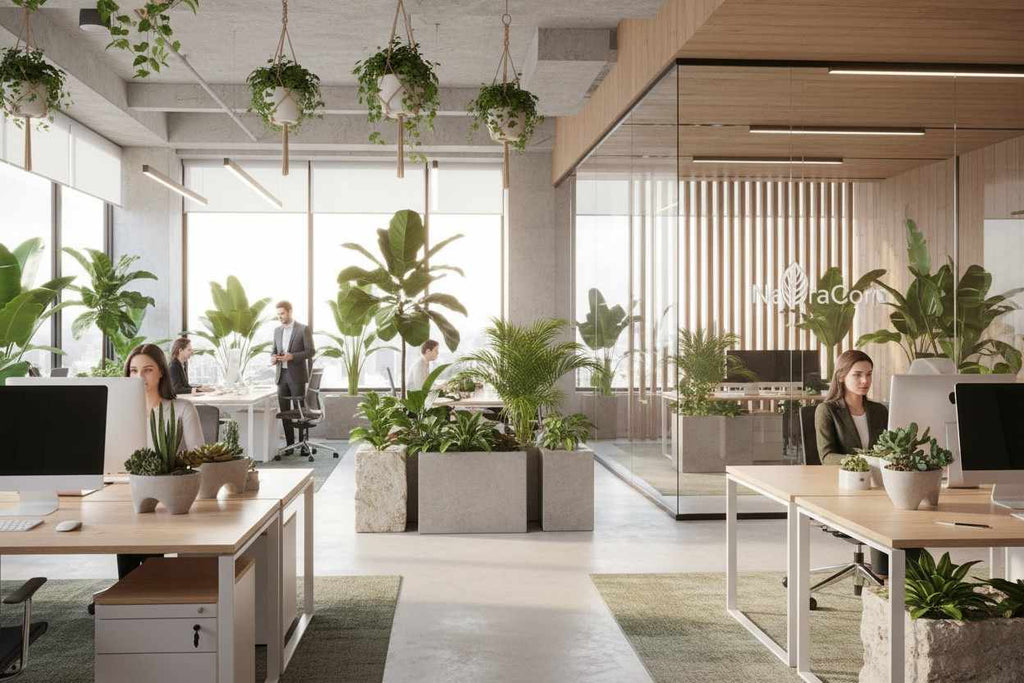
23
Jan
River Art Stone News & Blogs
Commercial Planters for US Offices: Boost Performance, Wellbeing, and Brand with Biophilic Design
Read more
17
Jan


